
Seeing water coming through the ceiling or noticing a damp patch can be stressful. The good thing is that most leaks can be diagnosed and repaired quickly when you understand what’s causing them. With the right approach to leak detection and proper repair, it’s possible to stop the issue at its source and prevent it from recurring.
Roof leaks often begin quietly. A cracked tile, worn flashing, or a blocked gutter may cause moisture to seep into the roof cavity long before the first signs appear inside the home. By the time a visible mark shows on a ceiling, the problem has usually been developing for weeks or months. This is why early roof leak detection is so important, addressing the issue early prevents structural damage, mould growth, and further complications.
In this Blog, we’ll explore the true causes of roof leaks, the signs that indicate trouble, and how proper roof leak repairs restore the integrity of your home. We’ll also discuss the role of professional plumbing services in identifying complex leaks, particularly in areas like Croydon, Dandenong, Seaford, and Bayswater, where weather events and aging homes make leaks more common.
Why Do Roof Leaks Happen?
Every home is different, but the patterns behind leaking roofs are surprisingly similar. Most failures occur in areas designed to keep water out, tiles, flashing, guttering, valleys, skylight seals, and roofing penetrations.
Tile roofs, for example, shift with wind, storms, and general wear. A single tile that slips or cracks can allow heavy rain to enter the roof cavity, creating a leak that may appear metres away from the actual point of entry. Metal roofing presents a different set of issues, with corrosion and loose fixings being the most common problems.
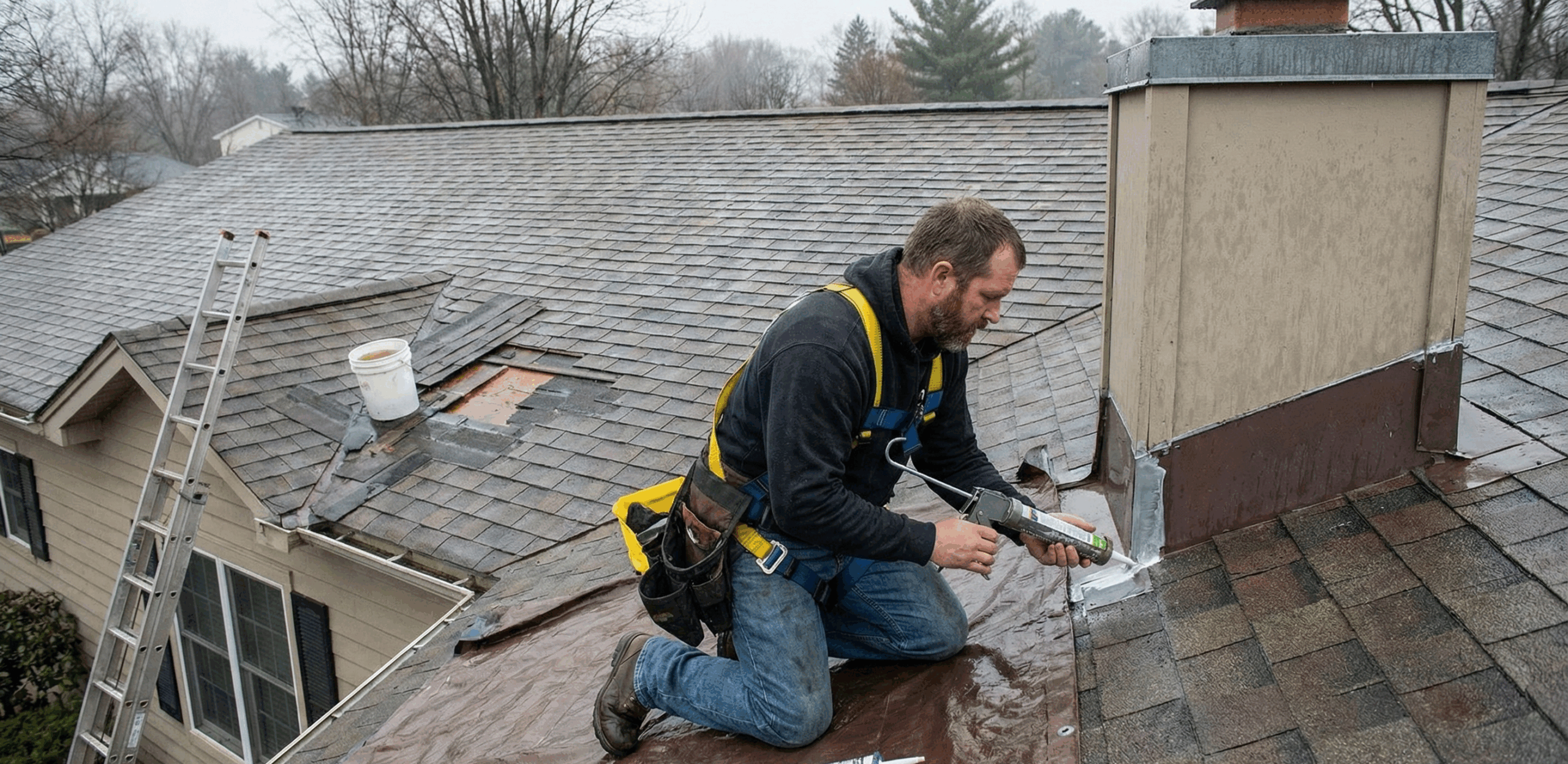
Flashings also play a major role in keeping water out. These metal components protect joints and intersections around chimneys, skylights, vents, and valleys. When flashing deteriorates or lifts, often due to age or incorrect installation, water slips underneath and eventually makes its way inside.
Gutters are another frequent contributor to roof leaks. When gutters or downpipes become blocked with leaves or debris, water has nowhere to go. It backs up, overflows, and can pool beneath the roofline. During storms, this creates ideal conditions for leaks to form.
For homeowners in areas like Croydon, Dandenong, and Seaford, where tree coverage is high, this is an especially common cause. Some leaks stem from poor workmanship. Temporary patches, silicone “quick fixes,” and rushed repairs may hold for a short period but rarely survive heavy weather. In Melbourne, burst pipes, emergency water ingress, blocked drains, and deteriorated roofing materials often combine to make leaks more complex than they appear.
The Importance Of Proper Roof Leak Detection
Finding the entry point of a leak is not always straightforward. Water can travel along rafters, insulation, electrical cabling, and plasterboard before finally pooling and showing inside the home. This means the visible stain or drip is rarely the spot where the leak begins.
Modern roof leak detection combines experience with technology. CCTV inspections, commonly used in drain and pipe locating also assist in tracing internal moisture paths. In areas where roof plumbing connects with other systems, such as older homes in Dandenong or Croydon, identifying the full chain of the leak requires a systematic approach.
Moisture mapping, inspection of gutters and roof valleys, checking flashing, and analysing water flow during wet weather all form part of accurate detection. Without this stage, repairs are often ineffective, leading to repeat leaks during the next storm.
Signs That Indicate A Roof Leak Is Developing
Homeowners usually begin noticing subtle signs long before a ceiling shows major damage. Common indicators include a persistent damp smell, small rings or patches on ceilings, bubbling paint, soft plaster, mould around vents or light fittings, or internal drips only during heavy rain. In some cases, blocked drains or guttering cause water to spill into the roof cavity, creating symptoms that look like roof leaks but originate from drainage issues.
Another sign is recurring moisture around skylights, chimneys, and ceiling corners. These areas are especially vulnerable when flashing fails or roofing materials begin to shift. Homeowners in coastal suburbs like Seaford and bayside areas often experience roof leaks caused by salt exposure and strong winds loosening roof components over time.
If you notice any of these signs, early intervention is crucial. Small leaks become large repairs quickly, and ignoring early symptoms often leads to structural timber damage and mould growth.
How Roof Leaks Are Repaired
The repairs required depend entirely on the cause of the leak. In some cases, the solution is as straightforward as replacing cracked tiles, resealing flashing, or clearing out blocked gutters. In more complex situations such as leaks caused by plumbing issues, burst pipes, or aging roofing structure, the repair process involves multiple steps.
For example, leaks that appear near bathrooms or kitchens may be connected to plumbing lines, burst flexi hoses, or drainage problems. This is why many roof leaks overlap with broader plumbing issues. Plumbers in areas like Dandenong, Bayswater, and Croydon frequently encounter leaks caused by faulty plumbing rather than roof surfaces alone.
CCTV pipe inspections and broken pipe locating tools can help identify hidden failures that mimic roof leaks. In some instances, what appears to be a roof leak is actually a burst pipe repair waiting to happen. Homes in Dandenong and Bayswater especially see this overlap due to older plumbing systems and shifting ground movement.
Prevention – The Key To Long-Term Protection
A major advantage of addressing roof leaks early is the ability to prevent them entirely in the future. Routine roof maintenance, gutter cleaning, checking flashing, and inspecting tiles after storms all contribute to extending the life of your roof.
Homeowners should also pay attention to other signs of water movement on the property. Blocked drains, poor stormwater flow, and issues with downpipes often signal developing issues. Engaging qualified plumbing professionals ensures that water systems perform the way they’re meant to.
Maintaining heat pump installations, hot water systems, and other roof-mounted equipment also prevents leaks caused by deteriorated fittings or flexible hoses. In homes across Bayswater and Seaford, hot water maintenance and heat pump inspections often uncover early signs of faulty seals or connections that lead to moisture problems down the line.
When To Involve A Professional
While homeowners can perform basic maintenance, diagnosing a complex roof leak is difficult without experience. When leaks persist, appear in multiple areas, or recur after previous repairs, a qualified plumbing professional is essential.
Best Plumbing Professionals can identify whether the issue originates from roofing materials, stormwater systems, internal plumbing, burst pipes, or deteriorated guttering.
If you suspect a roof leak or want to prevent a small issue from becoming a bigger one, the safest starting point is a proper inspection. Early assessment helps protect your home and ensures the repair is based on accurate diagnosis. Click here to learn more about our roof leak repair services in Melbourne.